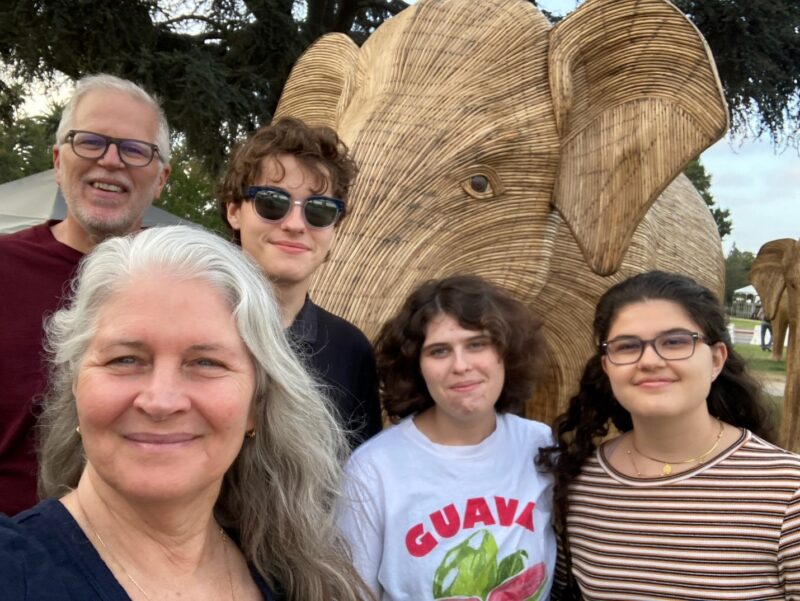
When Harri James O’Kelley talks about her laboratory, she’s not referring to beakers, microscopes, or sterile white walls. Rather, to her kitchen, the heart of a family-driven initiative expanding on how we believe, implement, and think about (2e) and neurodivergent education and support.
What was born out of necessity to celebrate her three children’s strengths within a system focused on their deficits, has grown well beyond the confines of her family into The O’Kelley Lab, a creative, community driven partnership proving that innovation does not require institutional backing, just passion, collaboration, and the commitment to see people for who they are, not for what they lack.
Leading from a kitchen might seem unusual, but for The O’Kelley Lab, it speaks to something deeper— accessibility and authenticity. “The advantage of operating out of your kitchen is that any family can start small and conveniently integrate tools and supports that make a difference in people’s lives around them and in their communities in organic ways,” Harri notes.
This grassroots approach is worlds apart from anything clinical or institutional. There are no waiting lists, no diagnostic criteria, and no bureaucratic barriers: a family collaborating with other families, artists, educators, and community members toward person-centered solutions that elevate individual needs above one-size-fits-all protocols. The O’Kelley Lab approach is consciously organic.
An “ongoing open-source pilot program,” the Lab is constantly evolving based on input from all five family members, parents Harri and Brian, along with Jordan, Macey, and Rachel. Ideas don’t emanate from research studies or administrative meetings but bubble up instead from lived experience, real challenges, and the creative problem-solving that happens when a family rejects the idea that their children must fit into strict neurotypical molds or identities.
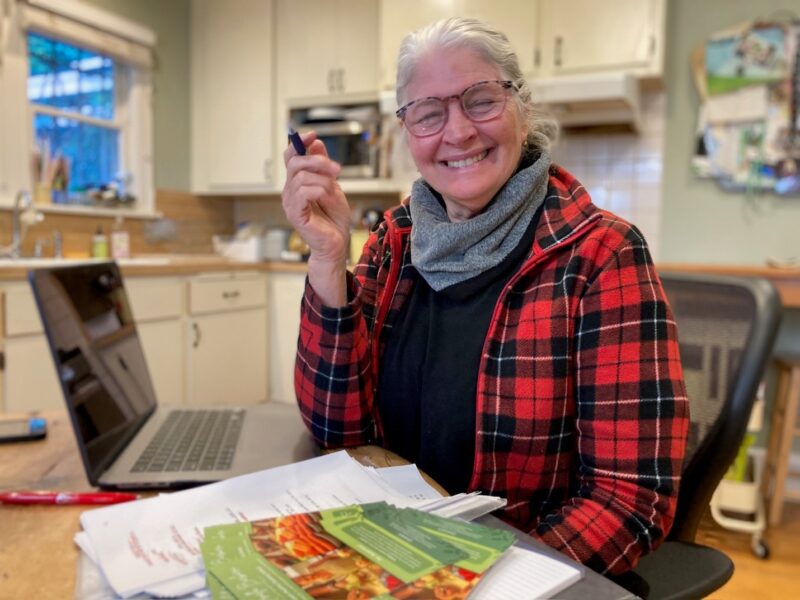
With Harri and Brian, both filmmakers, and their daughters, Macey and Rachel, pursuing media studies at UC Berkeley and UC San Diego, respectively, creativity runs deep in the O’Kelley family. This creative foundation is not coincidental to their advocacy; instead, it’s central.
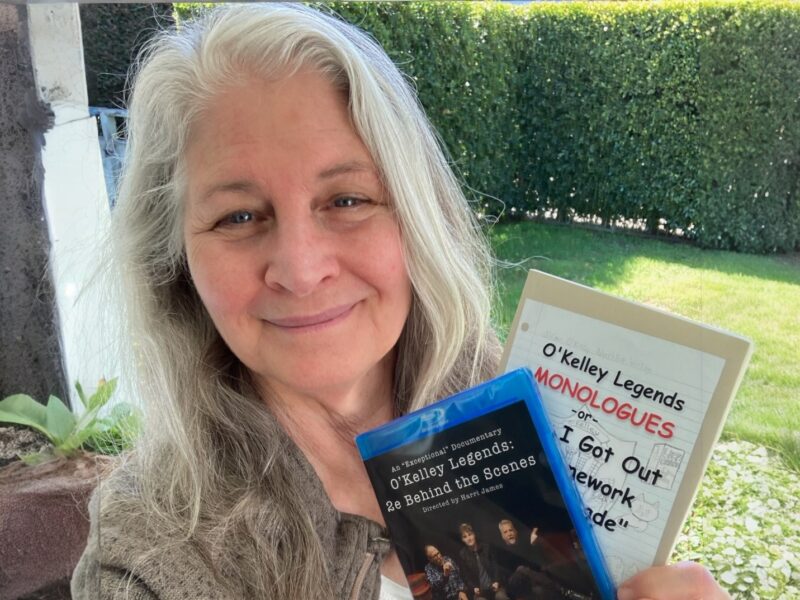
The family produced the documentary “O’Kelley Legends: 2e Behind the Scenes,” which shares Jordan’s story and illuminates the 2e experience for broader audiences. “My passion in life is collaborating with and connecting people”, Harri shares. “Building community fills me with a sense of purpose.” Art, collaboration, and connection are the Lab’s most important vehicles for increasing awareness, because creativity has a particular power to communicate experiences”.
A film can convey in minutes what a diagnostic report might never express. As part of last year’s “Neurodiversity of Kindness” show, the Lab combined a short documentary about a paralyzed dancer with a live dance performance.
Harri reflects, this was a particularly deeply affecting experience for her audience. “This personal connection really gave the audience a sense of who the dancer is and how important dance was for this dancer.” Such projects showcase how artistic storytelling bridges understanding and builds community through the arts.
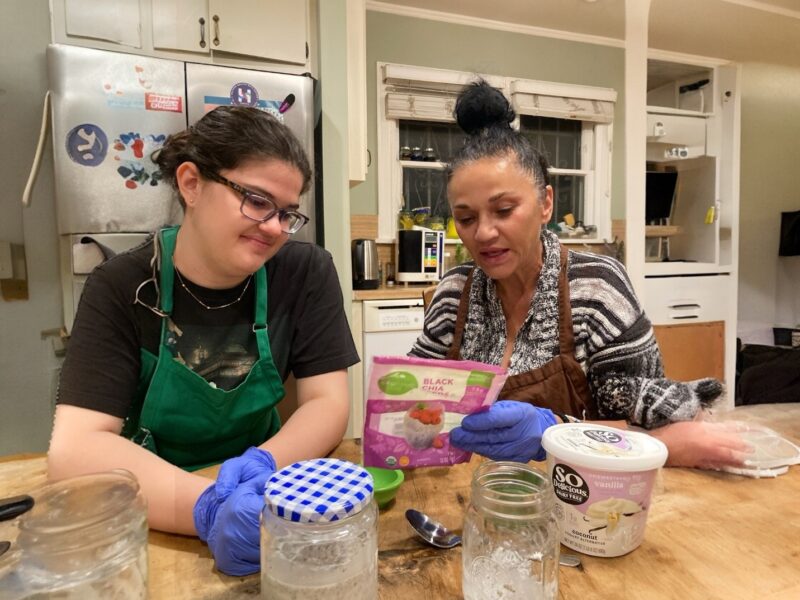
This approach can be seen through The O’Kelley Lab’s most recent collaboration with Chef Arnella Barbara to create healthy cooking lessons tailored for young adults on the spectrum. As the O’Kelley young adults approached college age, the family realized they needed to fill in the gaps of cooking and safety skills.
With an accomplished vegan Chef, Arnella Barbara, they could address the anxiety and overwhelm through an innovative cooking curriculum. They deployed a “No Suprises” approach with front-loaded videos before each session, allowing participants to see what each lesson would focus on and feel prepared for it, thereby reducing anxiety around learning something new.
They also flipped the teacher-student dynamic. Instead of making participants students in the traditional environment of an expert chef, they reframed the relationship, the young adult is a host in their own kitchen, and Chef Arnella is a guest cooking coach.
This subtle shift in language and perspective relieved stress and empowered participants to take ownership of their learning environment. “We found our young chefs felt overwhelmed and unsafe in their own kitchens,” Harri explains. What worked wasn‘t more training or enforced processes, but re-envisioning the whole framework to first feel safe in their environment.
Social isolation is one of the most painful challenges many neurodivergent individuals face, and The O’Kelley Lab addresses this not through social skills training or forced interaction, but rather by creating an environment where people feel valued and seen.
“Meeting individuals where they are and inviting them to contribute where they feel comfortable is a great place to start,” Harri advises. “Also, celebrating any success in that new environment is important to build skills, confidence, and community.” The Lab connects people with mentors and helps groups come together around similar interests while nurturing self-advocacy, autonomy, and person-centered relationships.
For parents beginning their journey with 2e (twice-exceptional) children, Harri recommends they: “Find a community— this is a lifelong journey, don’t try this alone.” She recommends resources including SENG (Supporting the Emotional Needs of the Gifted), Debra Reber’s book “Differently Wired”, support groups, Bridges Academy, and organizations like Julie Skolnick’s “With Understanding Comes Calm.”
The O’Kelley Lab’s long-term vision has remained, from its very founding, about problem-solving. As Jordan continues his physics research and Macey and Rachel pursue their creative careers, the Lab evolves with them —an organic, living model that grows with the very community it serves.
Rachel does outreach and social media while making her own films, and both she and Jordan continue their advocacy by speaking at conferences. What began in a kitchen continues to ripple outward, proving that transformative change doesn’t always have to be born from laboratories with microscopes. Sometimes all it takes is a family willing to reimagine what’s possible when we work together to discover solutions and celebrate strengths, one innovation at a time.
To learn more about The O’Kelley Lab’s work and resources, visit: https://theokelleylab.net